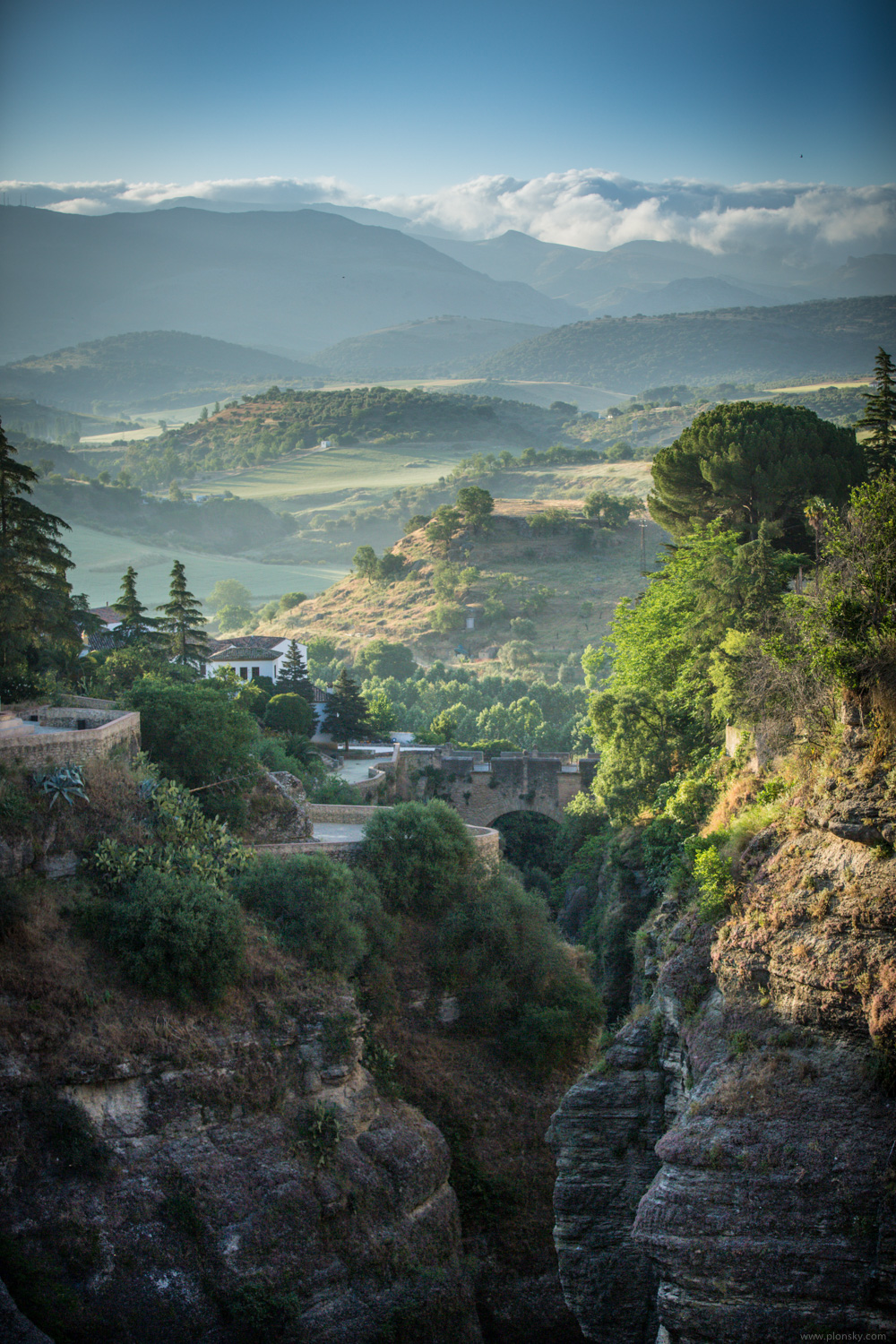
To set foot in La Melonera is to enter a territory that is felt before it is understood. In the heart of the Serranía de Ronda, a landscape of ancient holm oaks and open pastureland gives meaning to everything that happens. More than two decades ago, this project was born with the desire to listen to the land and restore its history.
In an environment with over 3,000 years of winemaking tradition, La Melonera recovers lost native grape varieties and creates wines of unique personality, born from respect for the landscape and time. Naturally integrated into the dehesa are 30 residential plots
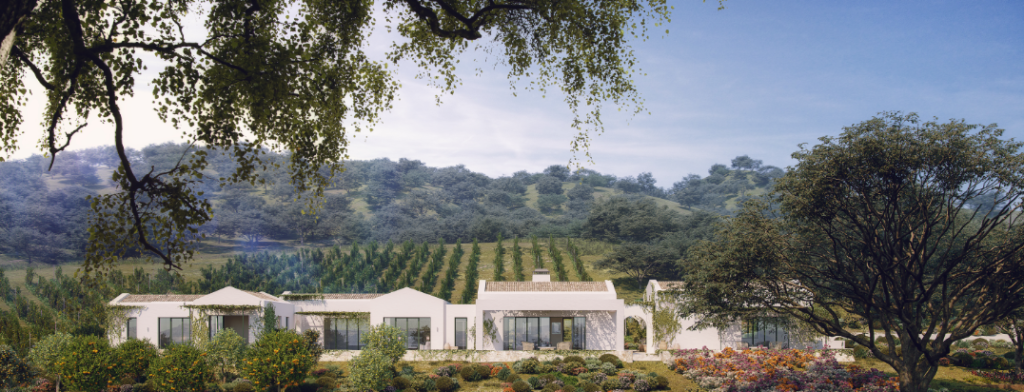
that are not just homes, but a way of inhabiting the land with respect: they coexist with the holm oaks, have their own vineyards, and breathe the soul of the surroundings. Each owner commits to caring for a unique place and its history.
The desire to do things differently places respect and protection of the environment as the true guiding thread of everything that happens at La Melonera. Today, La Melonera is a living ecosystem where vineyards, the tradition of its recovered grapes, the biodiversity of the dehesa, architecture, innovation, and culture coexist. Every decision stems from the same conviction: to understand the land as a heritage that must be cared for and preserved.
EXPLORE THE ESTATE:

Recovery of Andalusian Viticultural Heritage
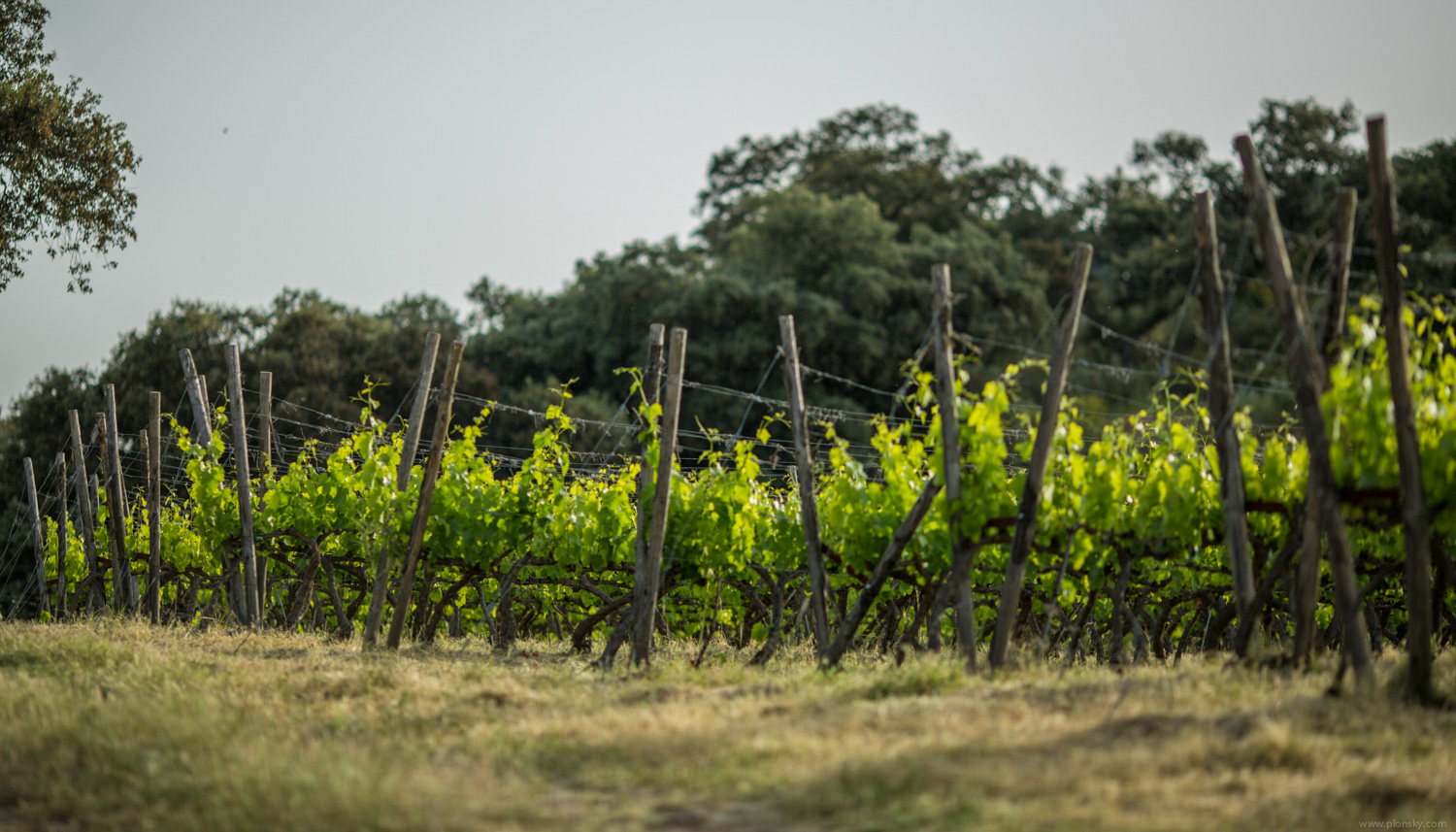
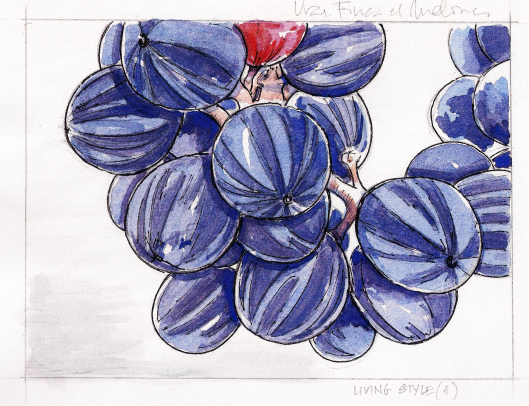
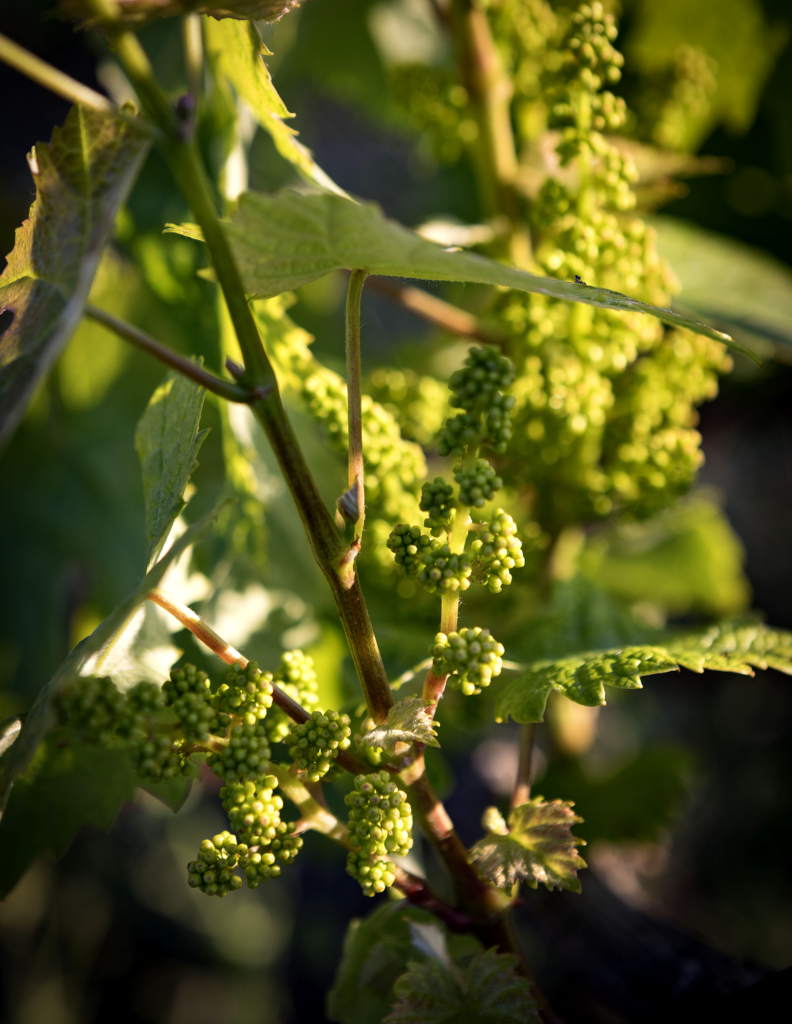
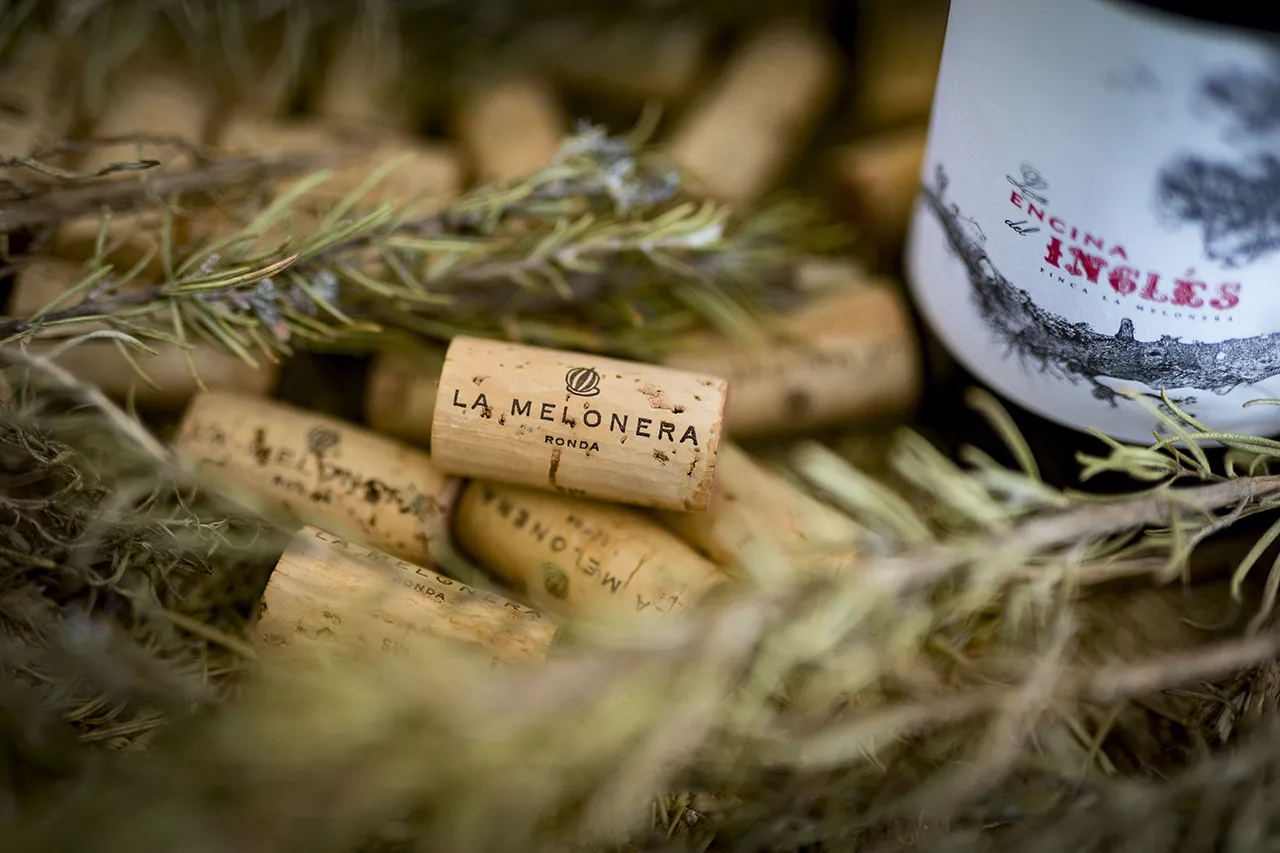
La Melonera was born from the passion to rescue ancient vines from the Serranía de Ronda, such as Tintilla, Blasco, Rome, and Melonera, some with over 3,000 years of history.
Since 2003, these native varieties have been carefully recovered from old historical records and texts that revealed the region’s winemaking tradition and richness, lost after the phylloxera plague. This work culminated in the first European certification of Melonera as an officially recognized variety in Andalusia.
With patience and dedication from the La Melonera team, the vines flourished again in a unique enclave, where the combination of altitude, climate, and the singular integration of the vineyard into the holm oak dehesa favors the aging of exceptional wines.
Today, La Melonera transforms this ancestral legacy into unique wines that celebrate history, territory, and viticulture of excellence.

LA MELONERA GRAPE
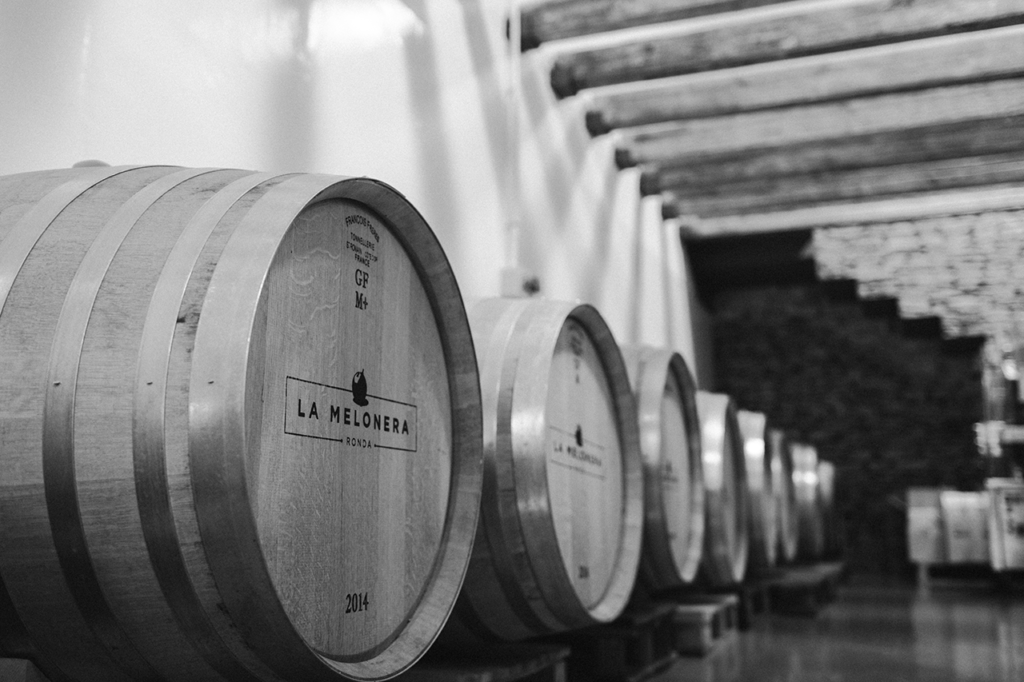
The Winery as the Origin OF LA MELONERA
The La Melonera estate spans over 200 hectares in the Serranía de Ronda, between 650 and 940 meters of altitude. Its unique enclave, combined with privileged geographical and climatic conditions, gives the vine a unique personality.
From the very beginning, the winery has been the origin that gives meaning to the La Melonera project: the center from which all recovery, research, and production work is articulated. We were born with the vision of rescuing ancestral vines and preserving their identity, laying the foundations for a viticultural project committed to the territory and its historical legacy.

The Dehesa as a Living Ecosystem
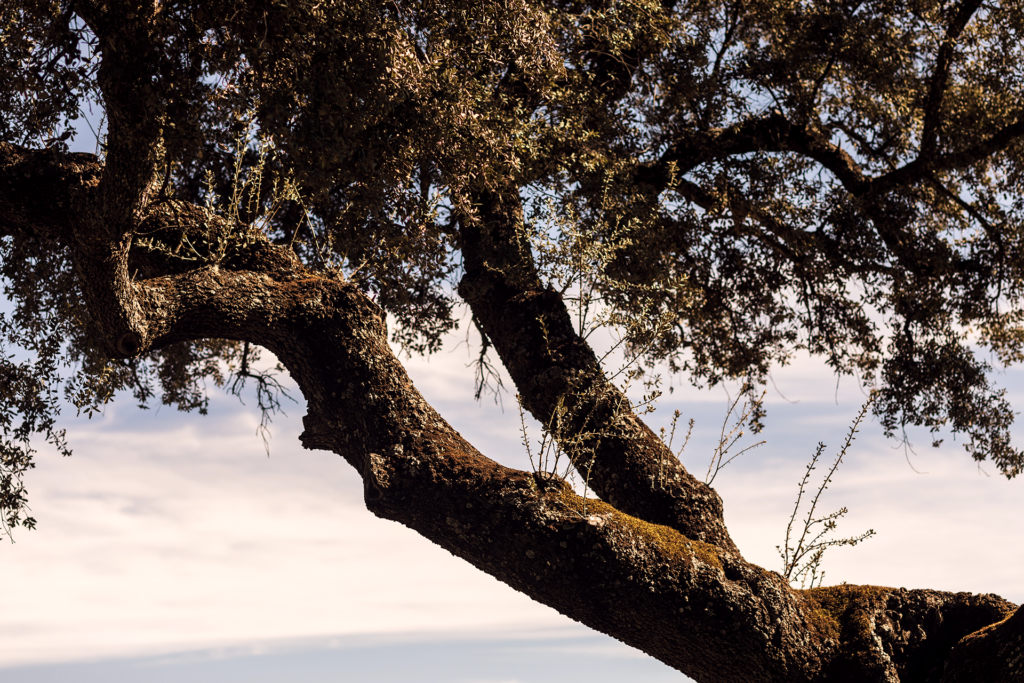
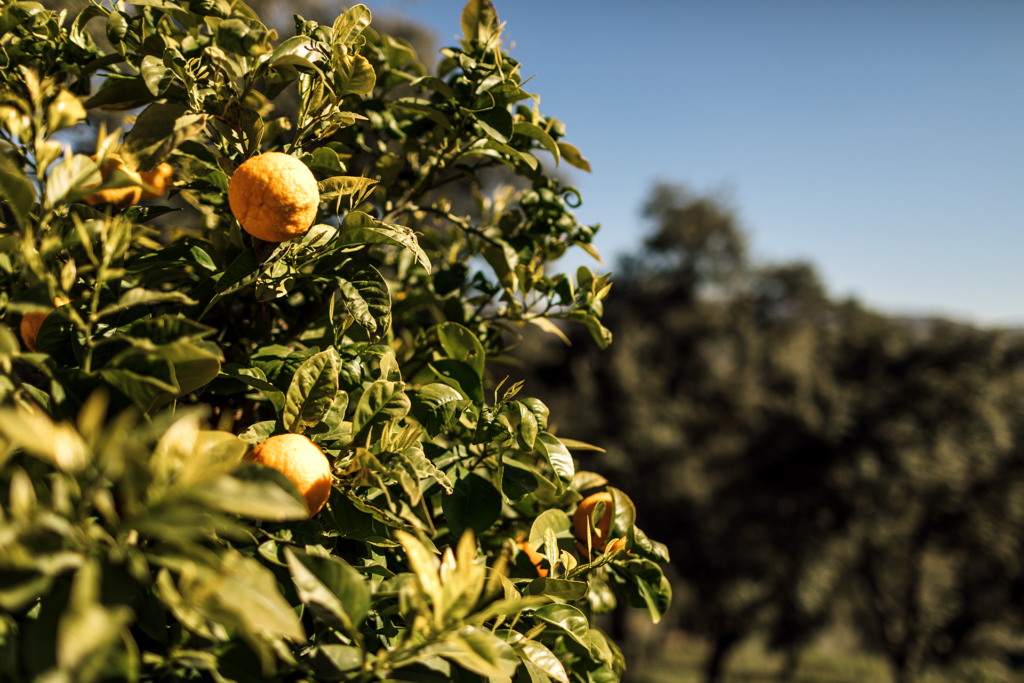
At Finca La Melonera, the territory is the true protagonist. Our dehesa of over 200 hectares harbors a unique Mediterranean forest, with ancient holm oaks—some over 600 years old—and protected gall oaks, in a landscape where vineyards and native fauna coexist in perfect harmony. The estate is surrounded by more than 60,000 hectares of Natural Parks, including Sierra de Grazalema and Sierra de las Nieves, both UNESCO recognized Biosphere Reserves, making this enclave one of the most protected and valuable in Southern Europe.
It is this exceptional environment that has defined the character of La Melonera. The estate has been the subject of continuous restoration and landscape conservation work, through a comprehensive plan for dehesa sanitation, the recovery and care of ancient holm oaks, and the establishment of vineyards in balance with the original ecosystem.
Thanks to this vision, La Melonera has been recognized for its environmental and landscape excellence, as well as for the recovery of native varieties, being declared a Project of Autonomous Interest and awarded the Andalusia Environment Prize, consolidating itself as a benchmark for exemplary integration between natural heritage, viticulture, and territory.

COMMITMENT TO OUR LAND: OLIVE OIL AND WHEAT
La Melonera has carried out continuous territorial recovery work that includes scientific research, conservation of native species, and agricultural diversification. Since late 2020, the estate has been producing its own Extra Virgin Olive Oil from traditional varieties such as Marteña, Lechín, and Hojiblanca.
This vision also extends to the recovery of ancient wheat varieties like Escaña and Trigo Recio de Ronda, in collaboration with independent farmers from Cuevas de Becerro. Low-yield crops, but with high heritage and nutritional value, which are part of an agricultural model linked to the history of the territory and contribute to preventing their disappearance.
The integration of the vineyard into the dehesa and the ecological conversion of the entire estate are the result of more than two decades of sustained decisions over time, aimed at preserving a living heritage beyond the viticultural activity itself.


The Haciendas: Landscape, Vineyard, and Architecture
The Haciendas of Finca La Melonera integrate architecture, vineyard, and dehesa in a sustainable framework where each owner becomes a guardian of the landscape and biodiversity. Each hacienda has its own vineyard of recovered native Andalusian varieties, giving rise to personalized and limited-edition wines that reflect the identity of the owner and the environment.
The complex of 30 private haciendas, located in a protected dehesa, combines environmental conservation, cultural and viticultural heritage, with comprehensive management that guarantees maintenance, security, and unique experiences, fostering a direct relationship with the landscape and actively contributing to the preservation of the region’s natural and oenological heritage.

CULTURE, INNOVATION, AND CREATIVITY FROM THE TERRITORY
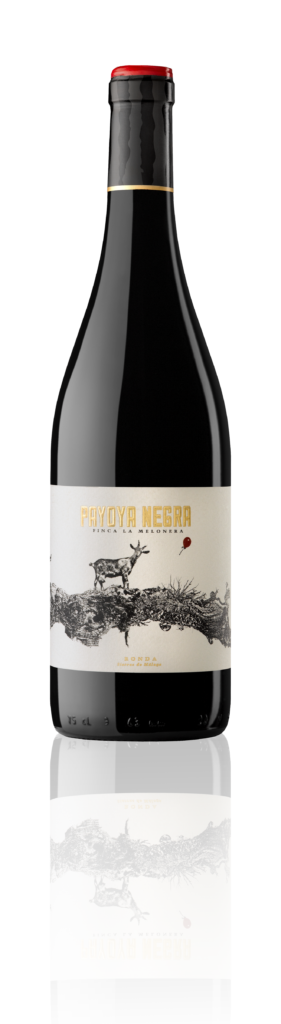
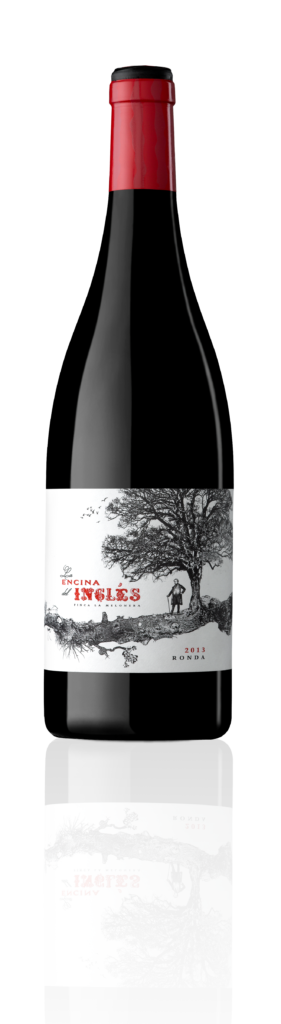
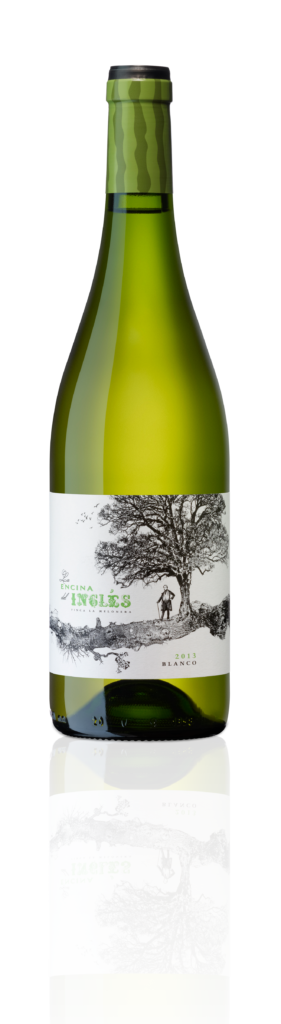
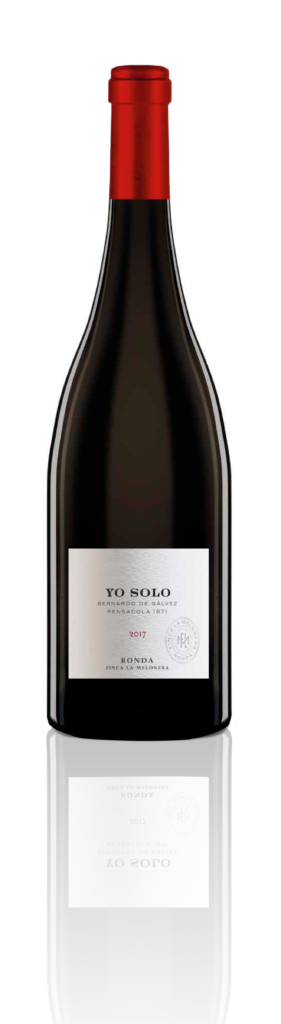
La Melonera has built its own narrative in which each wine, each name, and each elaboration reflect local heritage, the stories of the Serranía de Ronda, the literature of romantic travelers, the memory of historical figures like Bernardo de Gálvez, and the value of native species that are part of the landscape.
Innovation is a natural part of the project. Through collaborations with technical entities, cooperatives, and research centers, La Melonera works on the recovery, multiplication, and vinification of native varieties, uniting research, viticulture of excellence, and wines 100% linked to recovered Andalusian varieties.
This same vision translates into a model of winery haciendas, the opening of the winery and estate as cultural spaces, for tastings and training, and educational programs such as Dual Vocational Training, scholarships, and university and institutional agreements that allow knowledge to be transmitted and new vocations linked to wine and the territory to be generated.
La Melonera is today a living project where culture, research, and territory materialize into real actions.